
EAAs vs BCAAs: What’s the Difference — and Why It Matters More in Perimenopause
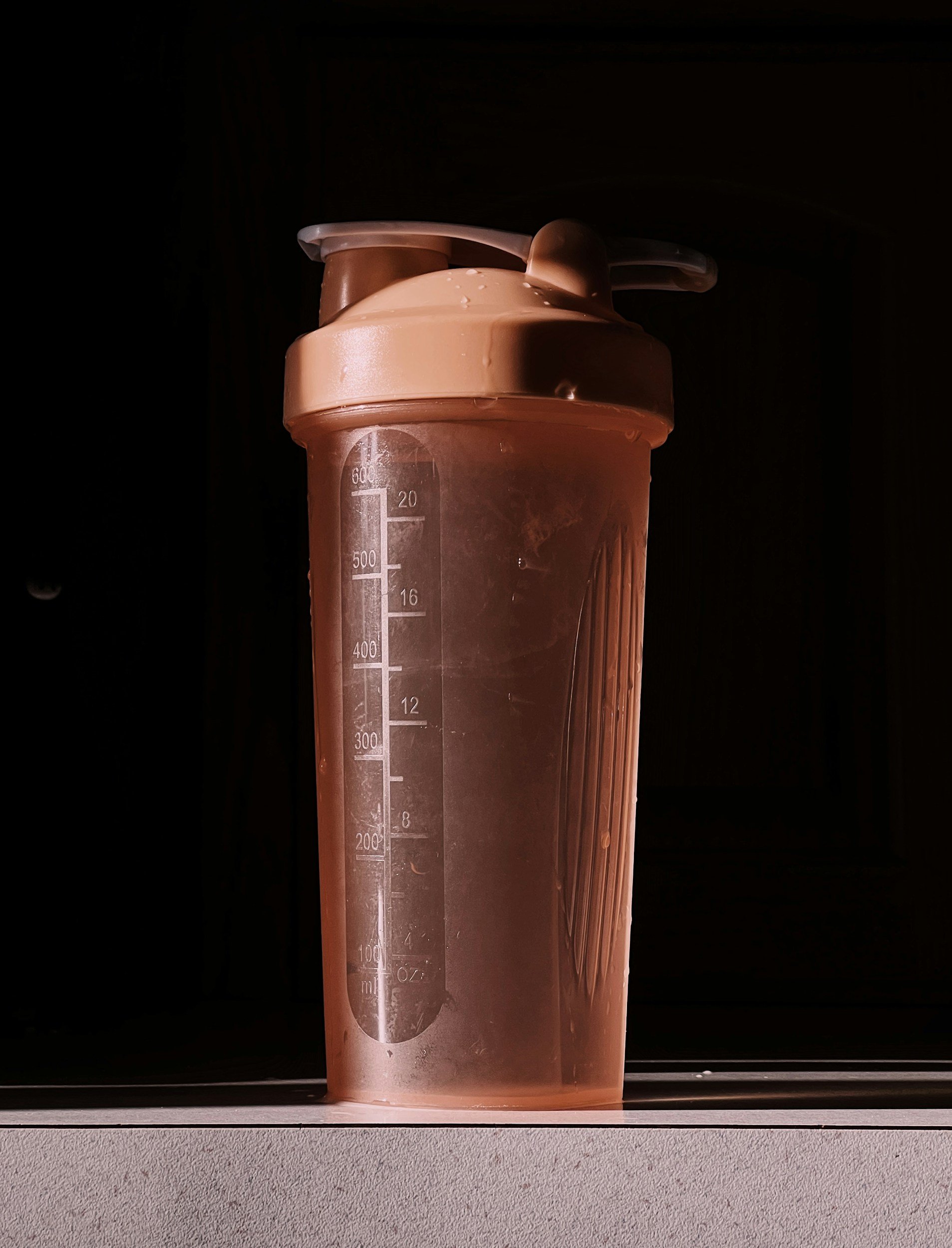
EAAs vs BCAAs
Which is better and why?
What Amino Acids Actually Do
For a long time, I lumped EAAs and BCAAs into the same mental category: “something people sip during workouts.” But the more I started learning about muscle, recovery, and how women’s bodies change in midlife, the more I realized that distinction actually matters — especially in perimenopause. Amino acids are the building blocks of protein. Your body uses them to repair muscle, support metabolism, and recover from stress — including workouts. Your body can make some amino acids, but not essential amino acids.BCAAs vs EAAs (Simple Explanation)
BCAAs include three amino acids (leucine, isoleucine, valine). They help signal muscle repair. EAAs include all nine essential amino acids. They provide the signal and the materials.Research shows muscle protein synthesis requires all essential amino acids — not just one or two. This distinction becomes more relevant as we age....enter perimenopause!!Why Perimenopause Changes the Conversation
During perimenopause, fluctuating estrogen can affect:muscle repairrecovery speedhow efficiently the body responds to training
Many women notice they’re doing “all the right things” — but results feel different, which means we need to support our bodies differently. In this stage, muscle needs to become a priority!Muscle isn’t just about aesthetics. It plays a role in:metabolic healthinsulin sensitivitybone densitylong-term resilience
Maintaining muscle in midlife is one of the most protective things we can do for our future health.Why I’m Testing EAAs Personally
I’m currently experimenting with EAAs to see if they might support my body and recovery better in this season. I’m paying attention to:endurance during my workoutspost-workout recoverymood & energy later in the dayhow my body feels day-to-daywhether muscle maintenance feels more supported
EAAs are not a replacement for adequate protein, consistent strength training, or rest and recovery. However, they may be a supportive tool for some women in perimenopause. The goal is to stay curious and always take steps to support and honor your body in the best way possible so you can show up as your best self, for yourself and those you love!Research & Credible SourcesInternational Society of Sports NutritionNational Institutes of HealthPeer-reviewed research by Phillips SM, Moore DR, Wolfe RR on essential amino acids and muscle protein synthesis

Hi, I’m Chrissy Horner!
I’m passionate about helping women curate the healthiest, most joy-filled versions of themselves. Follow Rooted & Refining for healthy recipes, workout suggestions, faith-filled mindset tips, and simple ways to bring more fun into your everyday life. Sign up today!
